Identify Your Hardwood Floor Type
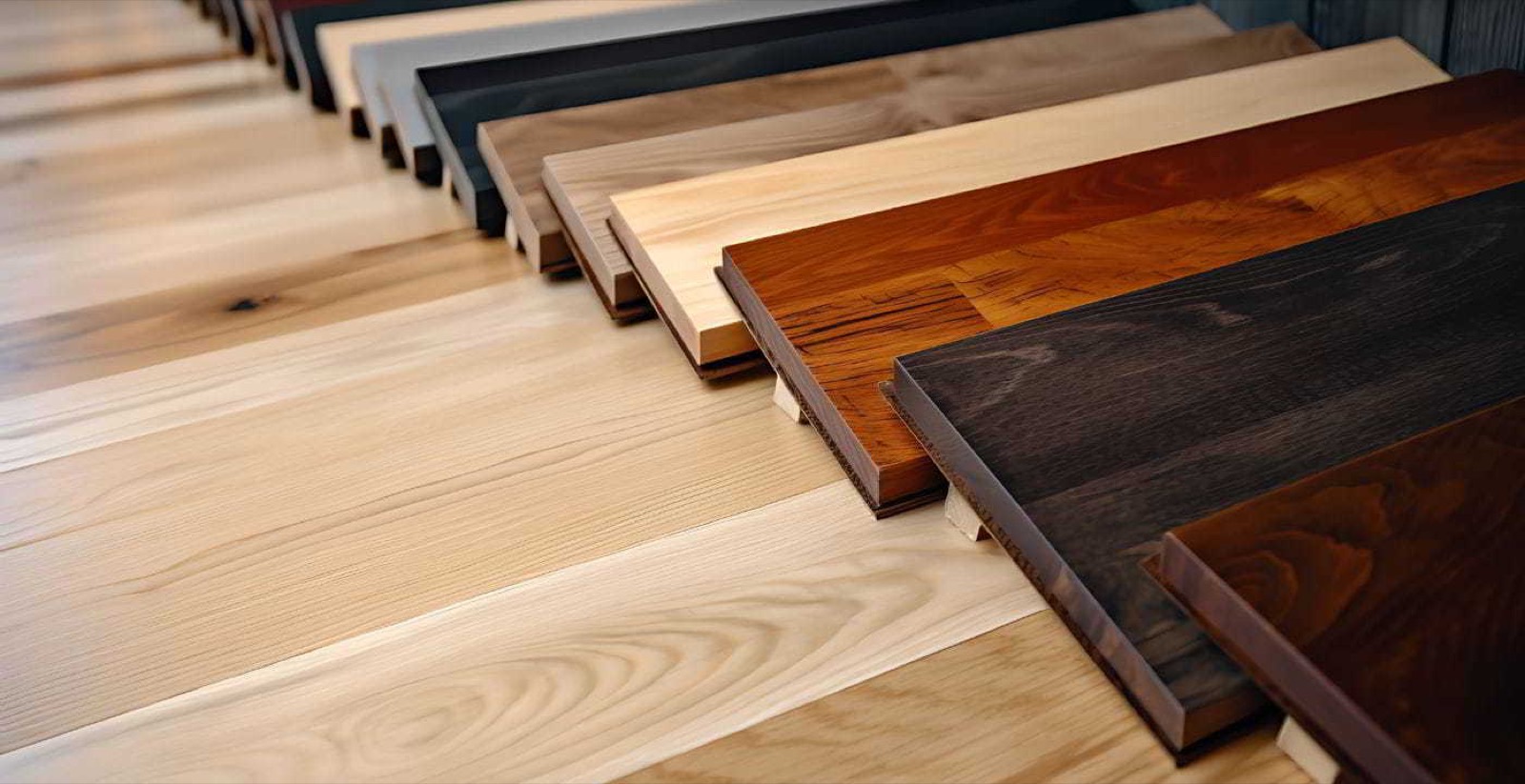
Before you clean or maintain your hardwood floors, it’s important to know exactly what type of flooring you have.Solid hardwood and engineered hardwood react differently to moisture, temperature changes, and cleaning products. Finish type also matters — factory-finished floors tend to be more resistant to wear, while site-finished floors may need gentler care. Identifying your floor type helps you avoid using the wrong products or methods that can cause warping, dullness, or long-term damage.
Set Up a Daily & Weekly Cleaning Routine
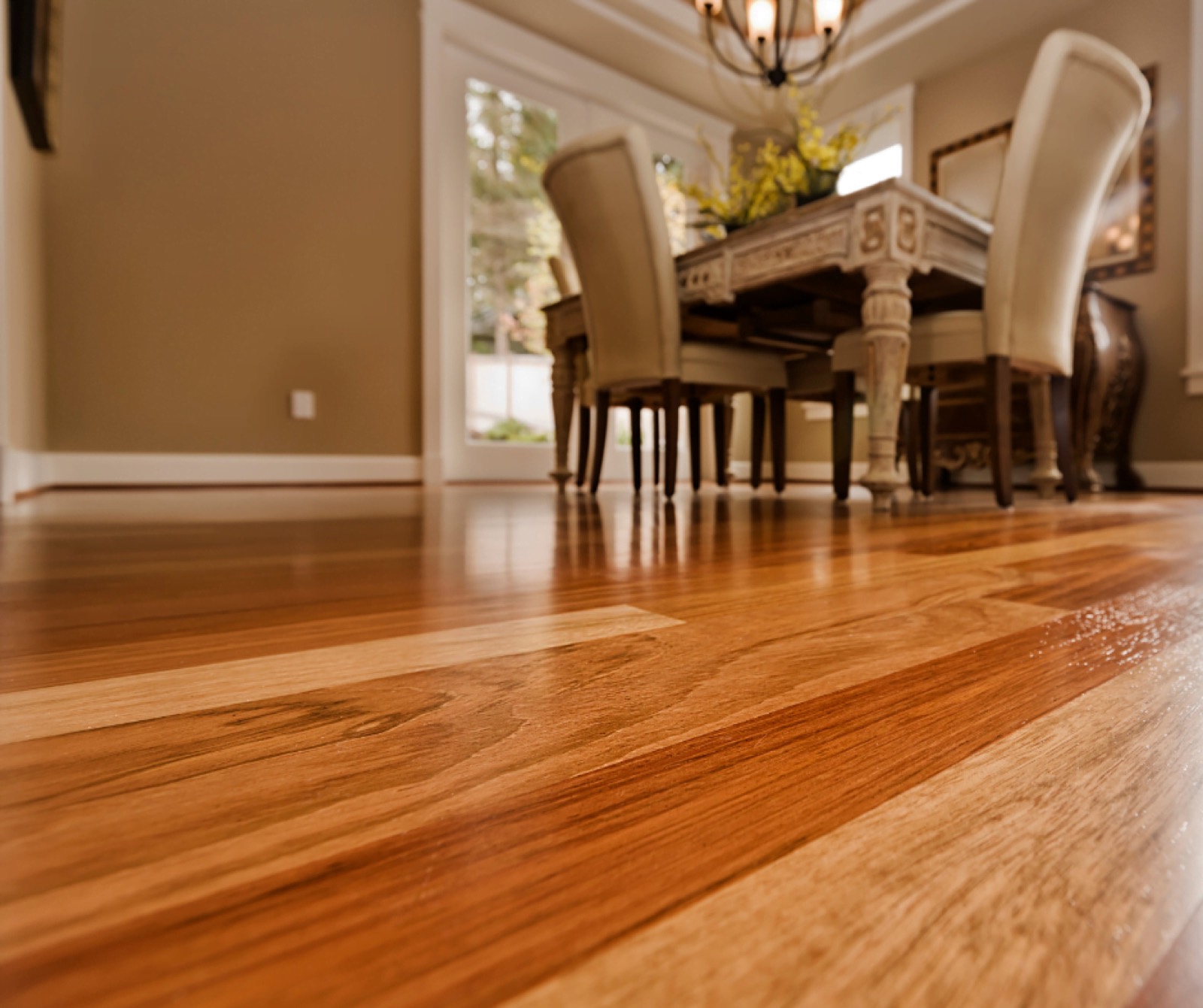
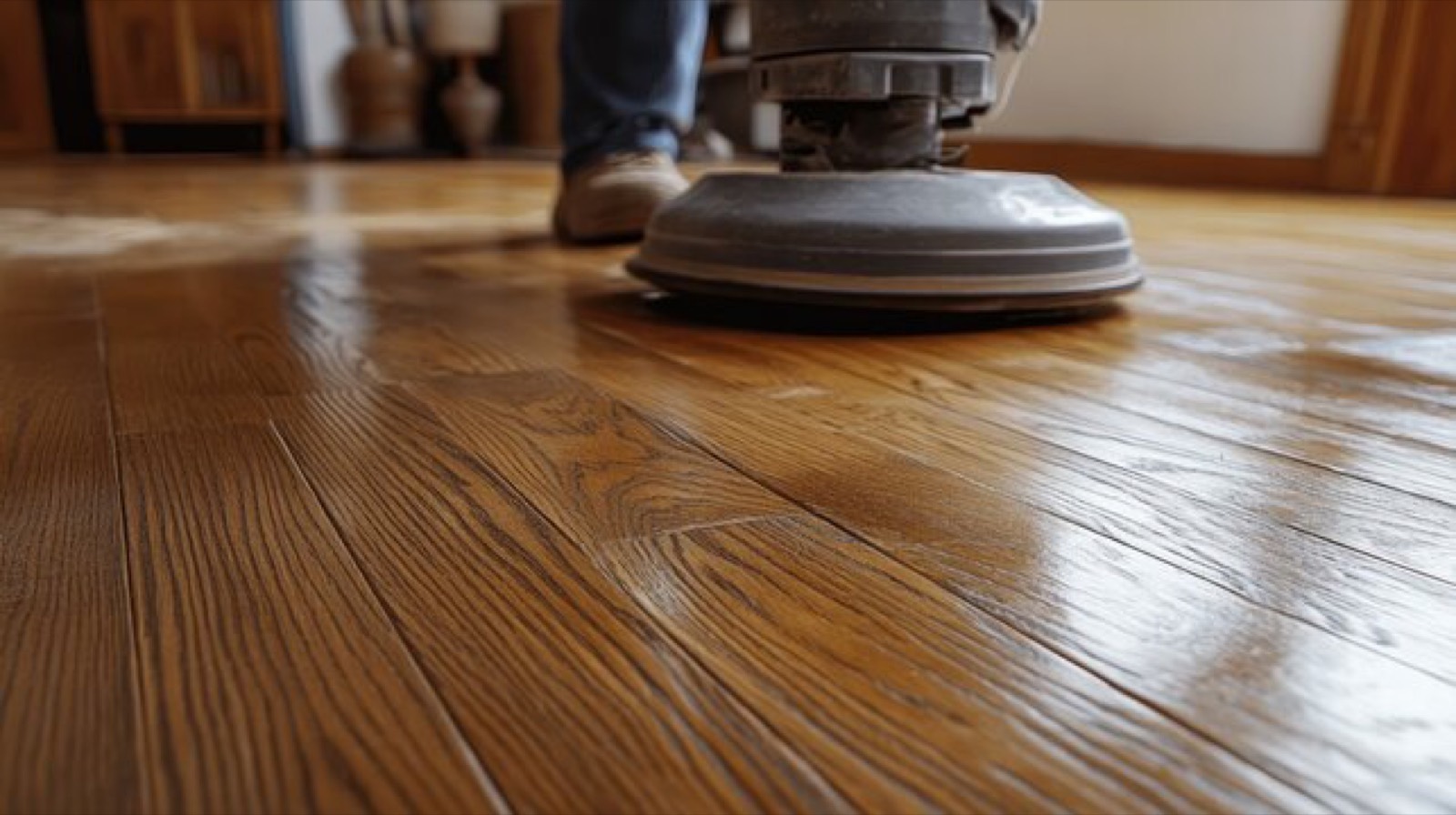
Consistent cleaning is the foundation of proper hardwood floor maintenance. Daily sweeping or vacuuming removes grit that can act like sandpaper, while weekly damp mopping keeps floors looking fresh without oversaturating the wood. Using soft-bristle vacuums and microfiber mops helps prevent scratches and finish wear. A simple, repeatable routine protects your floors far more effectively than occasional deep cleaning.
Use the Right Cleaning Products (and Avoid the Wrong Ones)
Not all floor cleaners are safe for hardwood, and using the wrong product can strip the finish or leave behind residue that attracts dirt. Hardwood-specific cleaners are designed to clean without soaking the wood or dulling the surface. Avoid harsh chemicals, steam cleaners, or DIY mixtures that can do more harm than good. Choosing the right product protects both the wood and its finish.
Hardwood Floor Cleaning Products: Safe vs Harmful
| Safe for Hardwood Floors | Can Damage Hardwood Floors |
|---|---|
| pH-neutral hardwood cleaners | Vinegar and water mixtures |
| Manufacturer-approved products | Steam mops |
| Microfiber mop with light moisture | Ammonia-based cleaners |
| Dry or damp (not wet) cleaning | Excess water or soaking |
Control Moisture & Indoor Humidity
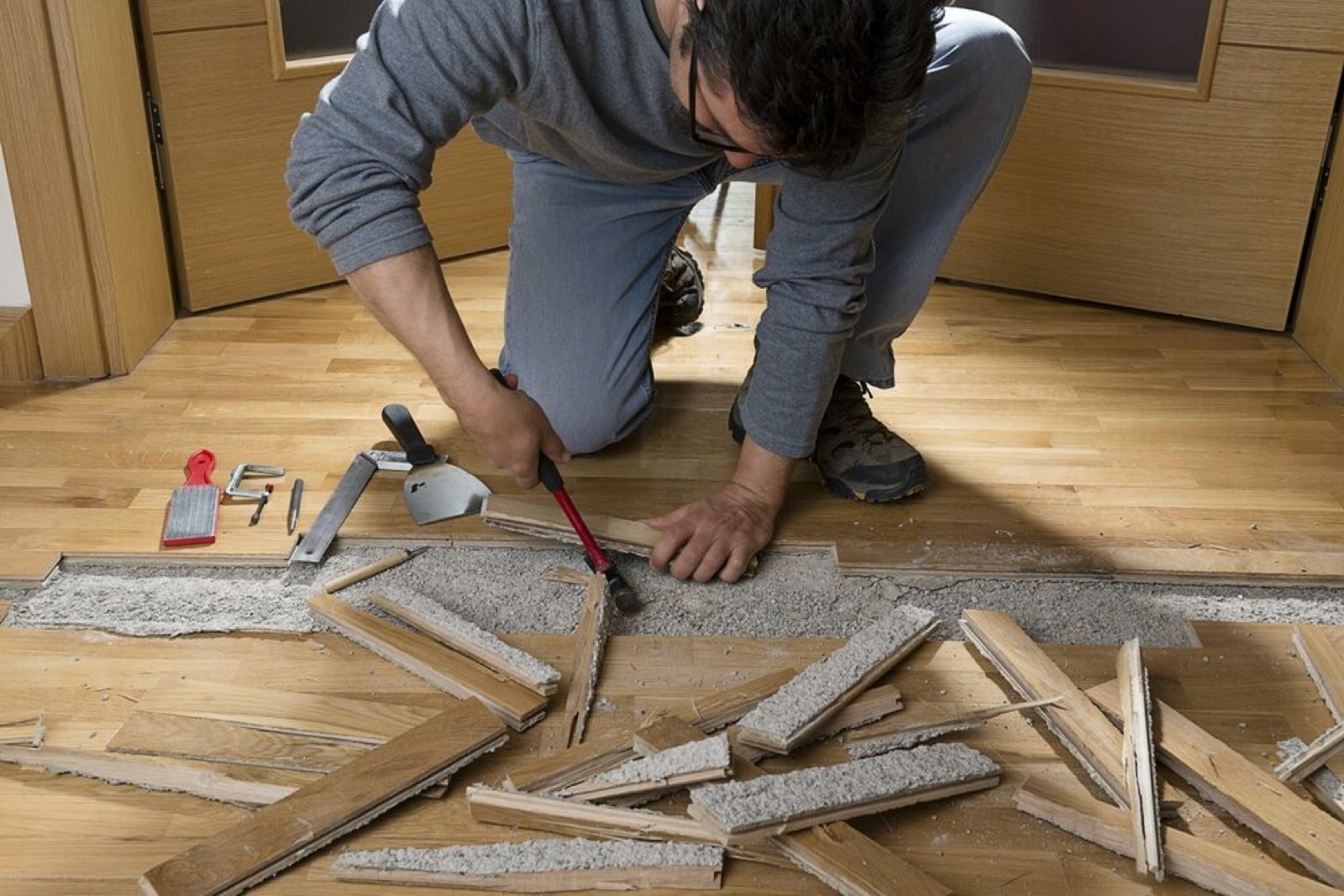
Wood naturally expands and contracts with changes in humidity, which makes moisture control essential for hardwood floor longevity. Ideally, indoor humidity should stay between 35% and 55% year-round. Low humidity can cause gaps between boards, while high humidity can lead to cupping or warping. Using humidifiers in winter and dehumidifiers in summer helps keep your hardwood floors stable and damage-free.
Protect Floors From Scratches & Daily Wear
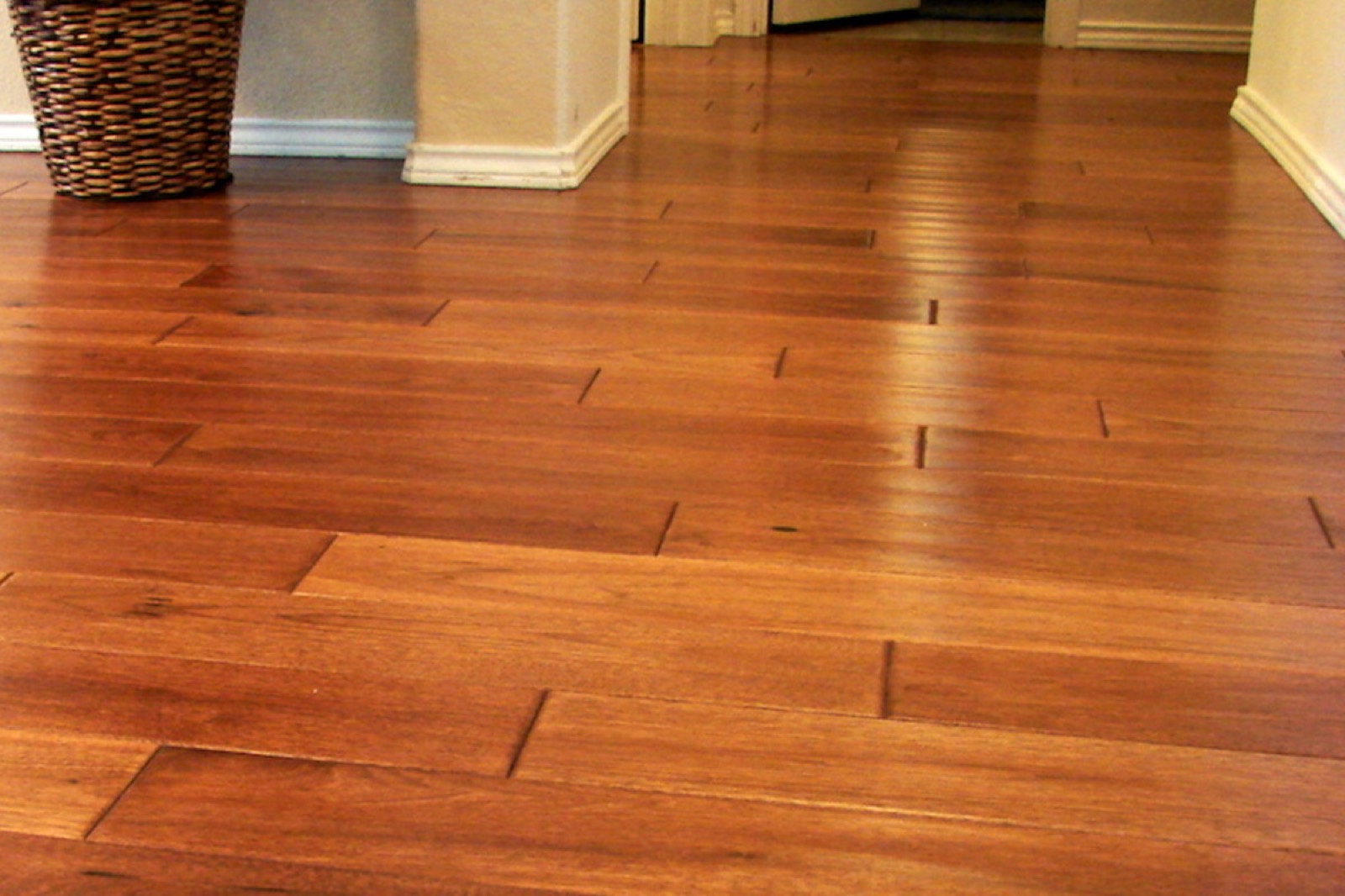
Preventing damage is easier and cheaper than repairing it. Felt pads under furniture legs, area rugs in high-traffic zones, and entry mats near doors significantly reduce scratches and wear. Trimming pet nails and avoiding hard-soled shoes indoors can also extend the life of your floors. These small protective steps preserve the finish and keep your hardwood looking newer for longer.
Handle Spills, Stains & Scuffs the Right Way
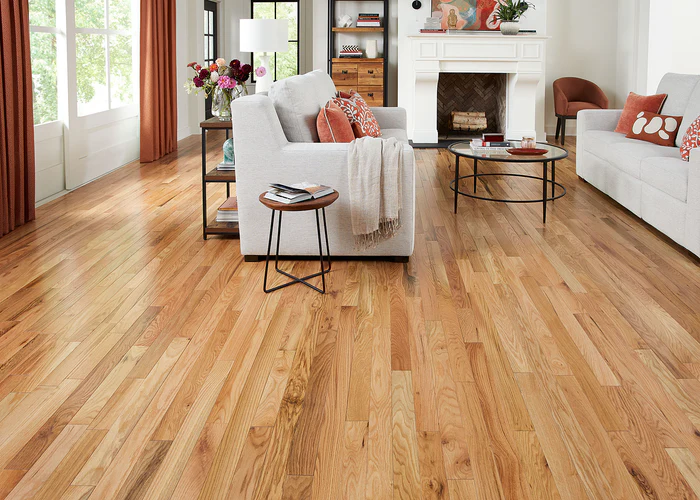
Spills should always be cleaned up immediately to prevent moisture from seeping into the wood. Use a soft cloth and a hardwood-safe cleaner for spot cleaning, and avoid scrubbing aggressively. Light scuffs and marks can often be removed with gentle methods, but deeper stains may indicate finish wear or moisture damage. Knowing when to stop and call a professional can prevent further harm.
Plan Long-Term Maintenance (Recoating vs Refinishing)
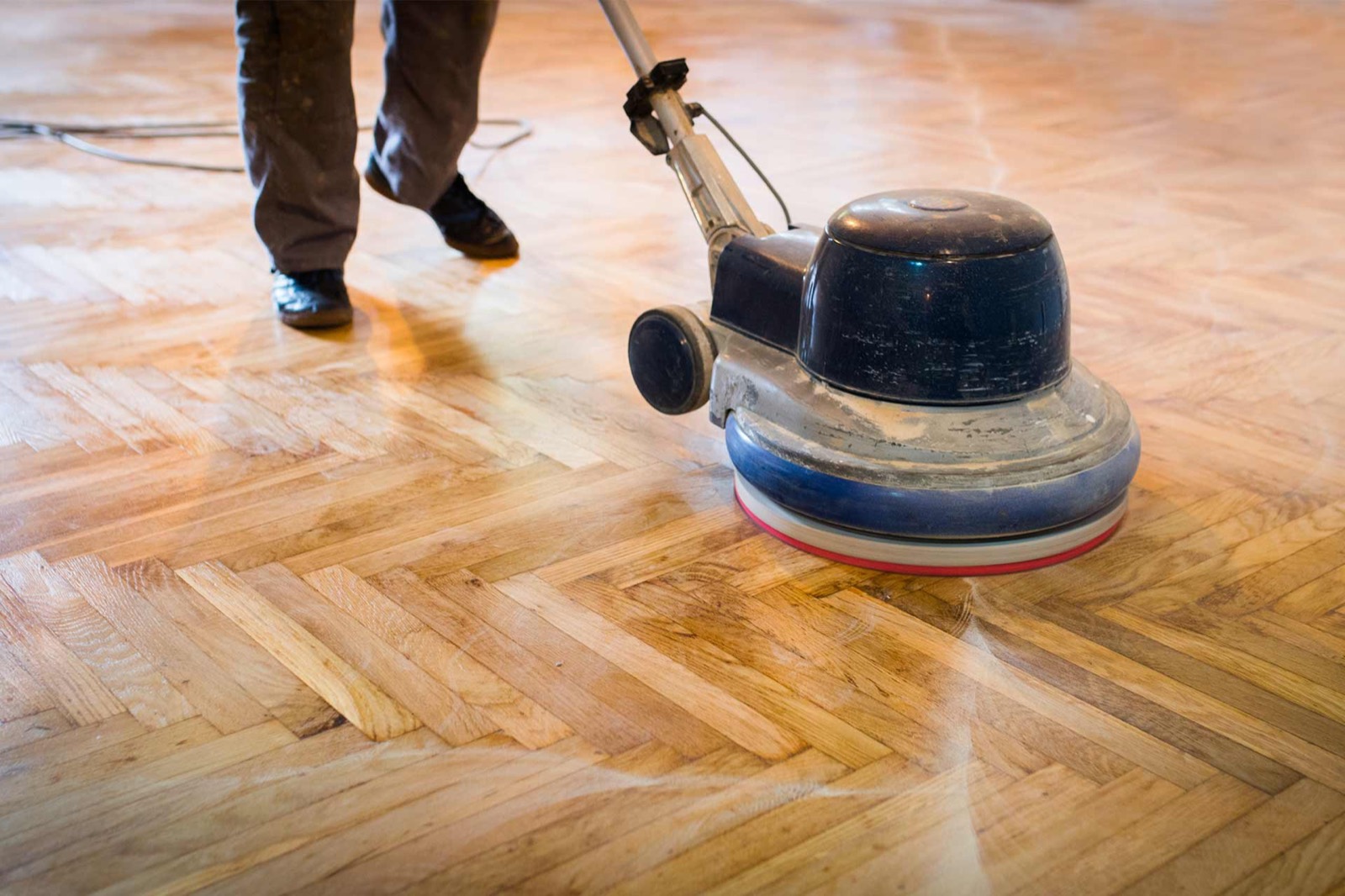
Even with great care, hardwood floors need periodic professional maintenance. Recoating refreshes the protective finish without sanding, while refinishingremoves damage and restores the floor down to bare wood. Choosing the right option at the right time can save thousands and significantly extend the life of your floors.
Recoating vs Refinishing Hardwood Floors
| Recoating | Refinishing |
|---|---|
| No sanding required | Full sanding to bare wood |
| Restores shine and protection | Removes deep scratches and damage |
| Lower cost | Higher cost |
| Ideal every 3–5 years | Typically needed every 10–20 years |
| Shorter downtime | Longer downtime |
Get a Free Hardwood Floor Maintenance Estimate
If your hardwood floors are showing signs of wear, dullness, or damage, professional maintenance can restore their beauty and protect your investment. Our flooring experts can assess your floors, recommend the right maintenance solution, and provide a clear, no-obligation estimate. Schedule your free in-home hardwood floor evaluation today and let us help you extend the life of your floors with confidence.